Clinical systems · Ambient scribe (SMB)
Freed
Freed is an ambient AI scribe built for independent and small-group ambulatory clinics. It turns the visit conversation into editable notes clinicians can move into their EHR without waiting on an enterprise ambient program. It is not a health-system Epic ambient standard.
Strong fit
- Independent and small outpatient clinics that want AI-drafted notes without a large health system program
- Clinicians who track after-hours charting and how much they edit notes during a short trial
- Groups that accept clinicians reviewing every AI draft
Weak fit
- Health systems choosing one AI scribe vendor across all their Epic specialties
- Buyers who expect clinicians never to review AI notes
- Organizations that need detailed specialty note models before a first trial

Bottom line
Freed is worth using for small outpatient groups that want an ambient AI scribe without waiting for a health system program. It suits clinics that will track edit rates and keep clinician review in place. Multi-hospital systems that want one ambient standard across Epic may prefer Abridge or Ambience.
Score breakdown
Weights: Outcomes 35% · Product 30% · Implementation 20% · Pricing clarity 15%.
AI scribes for small outpatient groups succeed when clinicians stop rebuilding notes at night, not when the demo sounds polished.
Freed is built for these smaller groups. It is quicker to try than a health system program, has less Epic integration, and is easier to set up than large scribe deals.
Buyers who succeed treat the first months as a measured trial. They pick a few specialties, track how much notes are edited and how much charting happens after hours, and keep clinician review required.
Groups that skip those basics often blame the model when the real problem was the rollout.
Pricing is easier to approach than large health system deals, though clinics should still work out the cost for their number of clinicians.
Freed fits less well when several hospitals need one AI scribe across Epic, where Abridge and Ambience usually lead. It also fits poorly in clinics that want notes to go out without human review.
Among clinical tools we review, it scores above Canvas and Elation on AI note results and below Abridge. It gives small groups solid results and a capable product, with the usual need for clinicians to review every note.
Competitor landscape
| Vendor | Overall | Ease of implementation |
|---|---|---|
| Abridge | 8.4 | 7.8 |
| Freed | 8.0 | 7.6 |
| Suki | 7.8 | 7.6 |
| Heidi Health | 7.7 | 8.0 |
| Ambience | 7.6 | 7.3 |
| Nabla | 7.6 | 7.2 |
| Eleos Health | 7.4 | 7.0 |
| DeepScribe | 7.3 | 7.0 |
| Twofold Health | 7.3 | 7.6 |
| Tali AI | 6.8 | 7.2 |
Pricing
| Item | Detail |
|---|---|
| Model | A subscription priced by clinician or by visit. It is simpler to buy than large scribe contracts. |
| What usually drives cost | The number of clinicians, which specialties you have, and any work to send notes back into the EHR beyond the base plan. |
| What to ask before you buy | The monthly cost for your number of clinicians, and how much editing counts as success before you add specialties. |
| Published pricing | Freed does not publish standing prices for every plan. Expect a custom quote, and confirm the total cost for your number of clinicians. |
Prerequisites for purchase
| Need | Why it matters |
|---|---|
| What you need to get Freed to function | |
| A supported way to send notes into your EHR or paste them in | Without a way into the chart, AI drafts stay outside the note and clinicians rebuild them anyway. |
| Clinicians willing to review every AI draft | AI scribes fail when buyers expect no human review. |
| A plan for a short trial in one specialty or clinic | Turning it on for every clinician at once hides which note types work. |
| IT time for single sign-on, devices, and setup | Microphone and connection work waits behind other projects unless you reserve time. |
| A named clinical owner for editing targets | Trials stall when no one owns quality checks. |
| What will maximize your value | |
| Track note editing and after-hours charting by clinic | Claims about minutes saved only mean something when you measure rework. |
| Keep review mandatory through the first steady months | Skipping review builds bad habits and compliance risk. |
| Pause expansion while editing stays high | Adding clinics before quality settles erodes trust. |
| Coach colleagues on when to rewrite and when to accept | Colleagues' habits decide whether the AI scribe sticks. |
| Set microphone and room connection standards early | Room and equipment problems look like AI failures in reports. |
| Deal-breakers | |
| Leaders expect AI notes to go out without clinician review. | |
| Your EHR is not supported, and sending notes into it is promised with no date. | |
| You need one AI scribe across Epic and many specialties on day one. | |
| No clinical owner will set editing targets for the trial. | |
| IT cannot make setup a priority next quarter. | |
Value creation time frame
| # | Stage | Typical range |
|---|---|---|
| 1 | From signing to kickoff | 1-4 weeks for security review, choosing trial clinics, and single sign-on contacts |
| 2 | From kickoff to first use | 4-10 weeks for a first outpatient trial on a supported EHR |
| 3 | From first use to steady results | 2-4 months of reducing edits before adding more clinics |
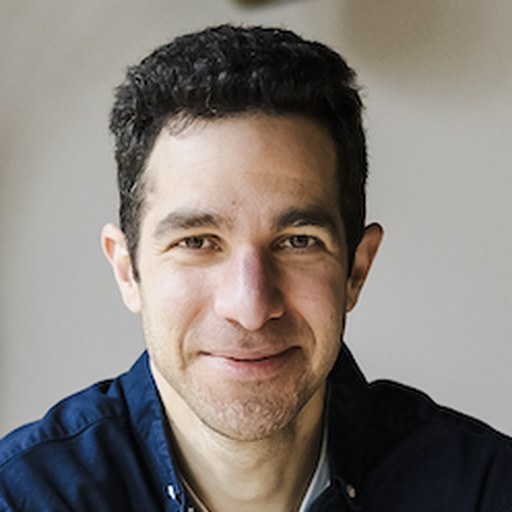
Leadership
Methodology
| Weight | Factor | What it measures |
|---|---|---|
| 35% | Customer outcomes | Whether buyers get measurable operational or clinical-workflow results after go-live |
| 30% | Product | Capability depth, reliability, and fit for the job the category buys |
| 20% | Implementation | How hard it is to stand up, integrate, train, and stabilize |
| 15% | Pricing clarity | Whether a buyer can model total cost without a mystery quote |
| Label | Meaning |
|---|---|
| Highly recommend | Strong outcomes and product with manageable caveats |
| Recommend | Solid fit for the right buyer; know the tradeoffs |
| Conditional | Only with a specific use case or heavy caveats |
| Not recommended | Avoid for most buyers in this category |
Read our full methodology for how we weight scores and assign recommend labels.